Automation is the part of a new pool that costs almost nothing to prepare for and a great deal to retrofit. The controller can wait; the conduit, the valve actuators and automation-ready equipment cannot. Here is what we decide with clients before the equipment pad is set.
Automation is the part of a new pool that costs almost nothing to prepare for and a great deal to retrofit. The controller itself, the panel at the pad and the app on your phone, can be bought and installed at any point. What cannot be added without opening the deck is the conduit from the pad to the house, the actuators on the valves, the conductors for lights and features, and equipment chosen to be controlled rather than switched. This guide covers what automation does, what it needs buried, and how to decide what to install now and what to leave for later.
A modern pool controller is a panel at the equipment pad with relays, valve actuator outputs and communication to the equipment, plus an app. On a residential pool it runs:
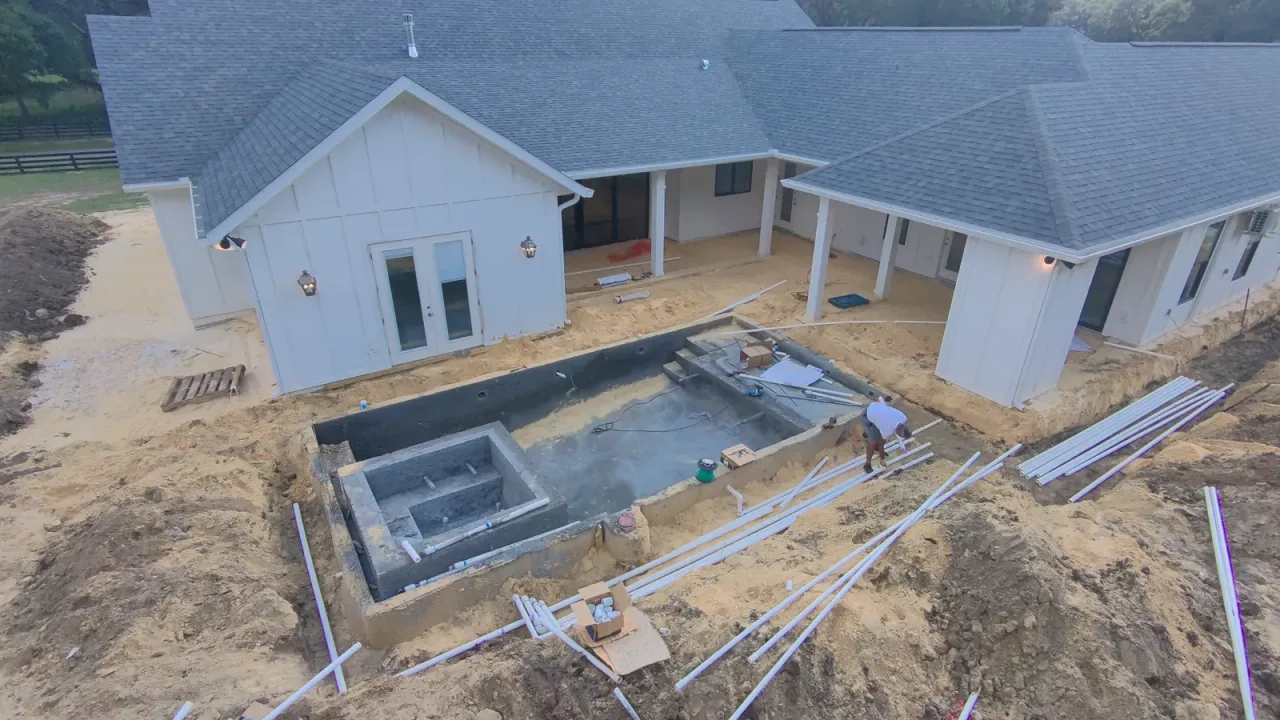
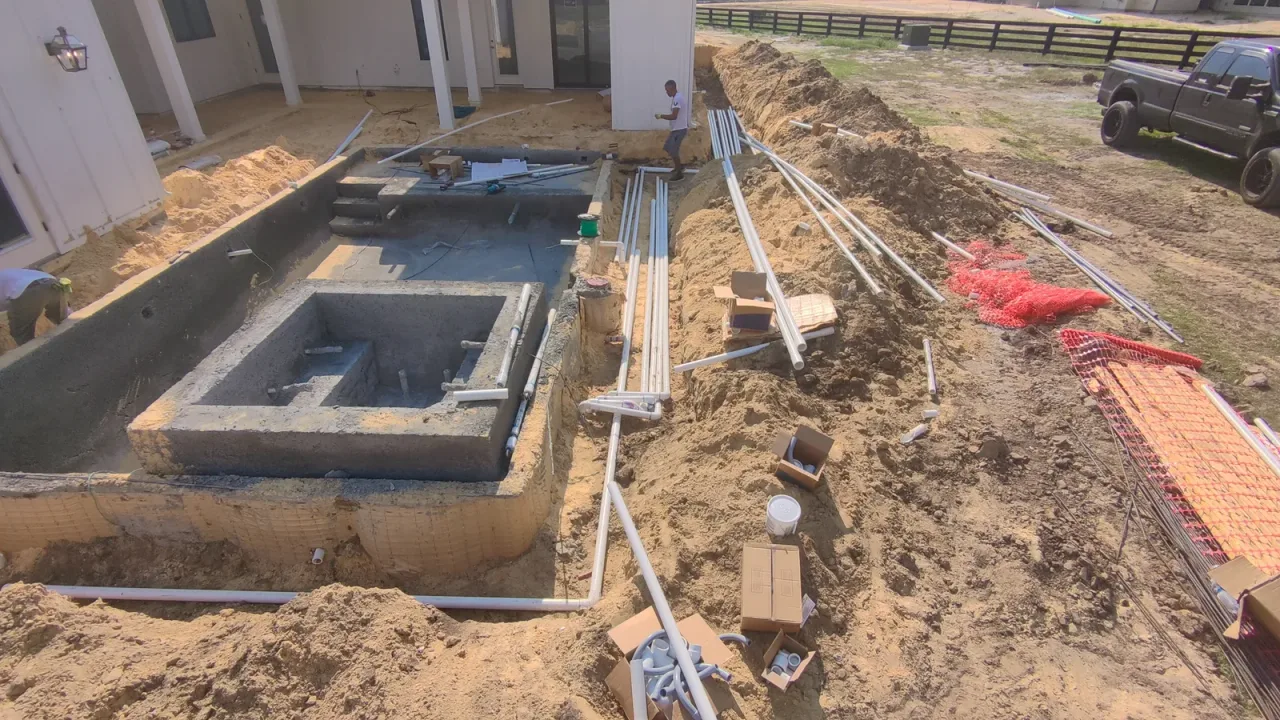
This is the whole reason to decide automation before the pad is set.
| Item | When it goes in | What it costs to add later |
|---|---|---|
| Conduit from the pad to the house or panel location | Rough plumbing and electrical | Trenching under the finished deck |
| Valve actuators on every pool/spa/feature valve | Equipment set | Re-plumbing the pad |
| Conductors for pool, spa and feature lights on separate circuits | Rough electrical | Pulling new wire through full conduit, or new conduit |
| Conduit for deck and landscape lighting | Before the deck is poured | Trenching |
| Automation-ready pump, heater and chlorinator | Equipment selection | Replacing equipment that works |
| Sensor ports for chemistry monitoring | Pad plumbing | Cutting into the plumbing |
Our guide to upgrades worth planning before construction sorts every upgrade on a proposal by the same rule: what closes at the shell, what needs something buried, and what can wait. Automation is the clearest example of the second category.
The controller is only as useful as the equipment it can talk to.
We specify all of it as one system from one manufacturer family where that is possible, because mixed equipment is where automation becomes a service call. Which family depends on the project, and we go through the options in design.
The decision is three separate lists:
If the controller is deferred, the pool is still fully usable; the owner runs the pad by hand and the pump on its own built-in schedule until the controller is added.
Three things change how we design automation here:
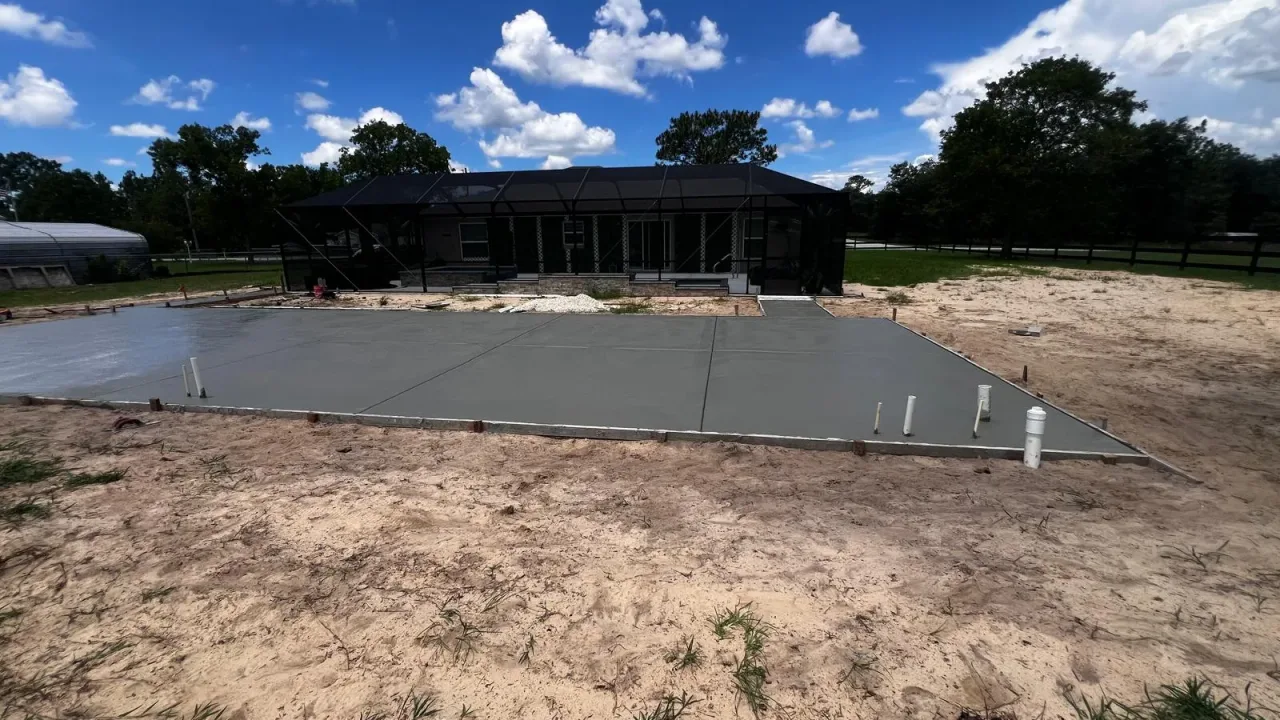
Automation is decided with the equipment list in design, and its infrastructure is installed at the rough plumbing and electrical stages that the pool construction timeline in Florida describes. By the time the deck is poured, every conduit and conductor the system will ever need is in the ground. It is a small line in the plan and a large one in what the pool is like to own; several of the designs in our ten luxury pool designs for Florida homes depend on it.
When you are planning a pool, bring the question up early and ask for the two lists: what is buried, and what is bought. Request a project evaluation on our custom pool construction page and we will prepare both for your lot.
The pump speeds and schedules, the heater and its set points, the valves that switch water between the pool, the spa and the water features, the lights and their colors, the salt chlorine generator, and, with the right sensors, chemistry monitoring. All of it from a panel at the pad and an app on your phone.
The controller, yes. What is hard to add later is the conduit from the equipment pad to the house, the valve actuators on the plumbing, the extra conductors for lights and features, and equipment that was not chosen to be controlled. If those go in during construction, the controller can be added any time. If they do not, adding it means trenching and replacing equipment.
On a new pool, almost certainly. Federal efficiency rules for dedicated-purpose pool pumps have meant that most new filter pumps are variable-speed since 2021, and they are what makes schedules and feature control worthwhile: the pump runs slowly most of the day for filtration and ramps up when the spa or the waterfalls call for flow.
No. It runs the equipment on schedule, keeps the spa at temperature, reports faults and, with chemistry sensors, tells you when the water drifts. Someone still brushes, cleans the filter, adds chemicals and inspects the equipment. What automation does is make that work predictable and catch problems between visits.