Once the excavator arrives, some decisions stop being decisions. These are the twelve worth settling first, and which of them are genuinely hard to undo.
Pool projects rarely go wrong during construction. They go wrong in the two weeks before it, when decisions get deferred because nobody realizes they are about to become permanent.
Once the excavator is on site, the shape of the hole, where the equipment lives and how water leaves your yard are all settled. This is the list worth working through first, ordered roughly by how expensive each one is to change afterwards.
If you read nothing else, settle these:
Everything else on this list is easier to revisit. These three are not.
Setbacks decide what is legal. Sun, sightlines and the house decide what is pleasant.
A pool pushed to the rear setback maximizes deck between the house and the water, which is usually where people actually sit. A pool close to the house shortens the plumbing run and keeps the kids in view from the kitchen. Both are defensible; they are different houses to live in.
Worth checking before you commit: where the afternoon sun lands in summer, and what the neighbors see.
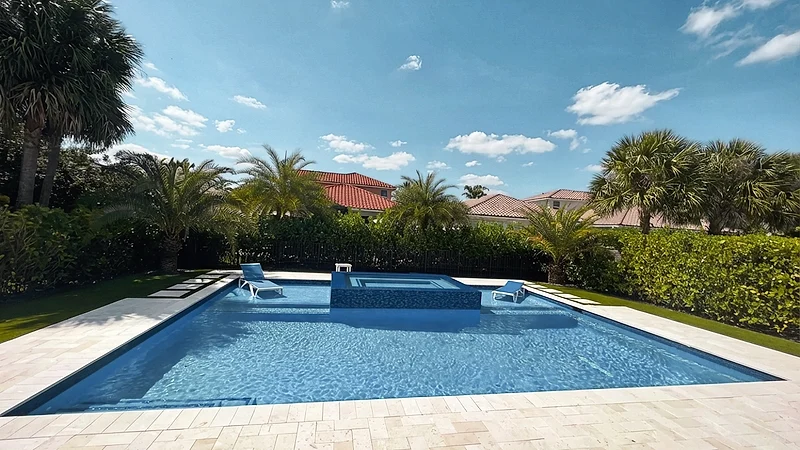
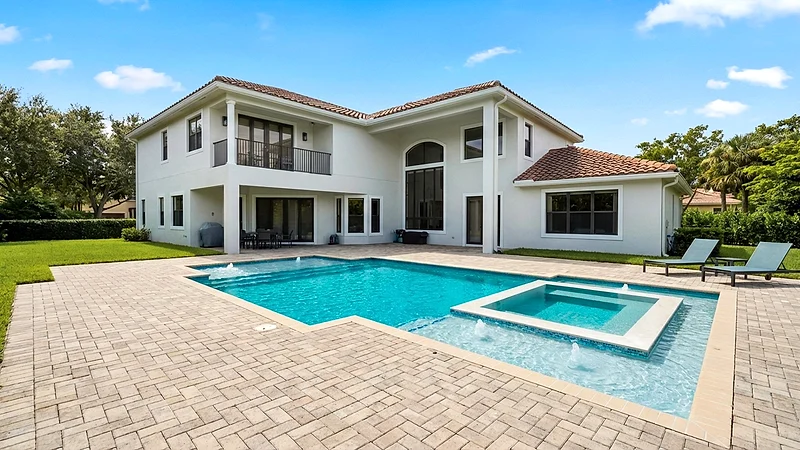
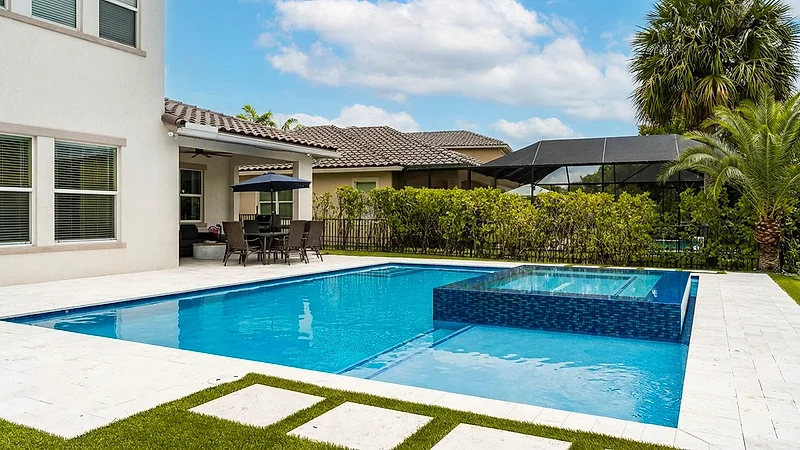
Decide now. An integrated spa shares a wall with the pool; a spillover spa sits raised and returns water over a weir. Both are structural, and both are part of the shell that gets formed and poured once.
The relevant costs are in what a custom pool really costs — but the reason it belongs on this list is not the money, it is that the window closes.
You do not have to build the enclosure with the pool. You do have to decide whether one is coming, because the deck carries it.
If an enclosure is likely within a few years, building the deck to take it costs very little now and saves cutting a finished deck later. If it is definitely not coming, you can spend that deck budget on surface instead. What is expensive is not deciding — see pool screen enclosures for what the structure needs.
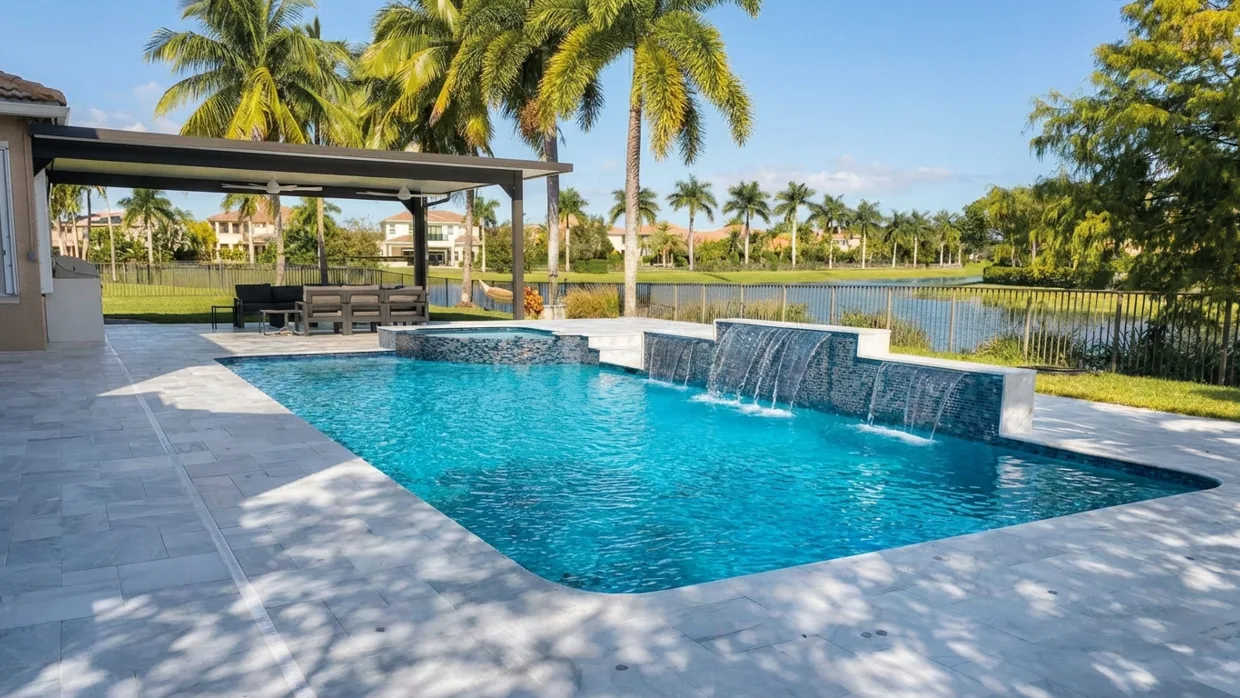
This one surprises people. If a mini-excavator cannot physically reach your yard — a narrow side gate, a neighbor's wall, a mature tree in the only route — the work happens by hand or by crane, and the whole project carries a surcharge.
Walk the route yourself before anyone quotes. Measure the narrowest point. If it is tight, say so early: it changes the number, and a builder who discovers it on day one has to change the number anyway.
Rock, a high water table and old fill all change excavation. None of them are visible from the surface, and all of them are cheaper to find out about before the contract than during the dig.
Florida rain arrives fast and in quantity. A new pool and a new deck replace absorbent yard with hard surface, which has to drain somewhere that is not your slab or your neighbor's.
Drainage is designed alongside the deck, not added to it. If you are also planning landscaping, plan the two together — the grading serves both.
Pumps and heaters need somewhere to live: reachable for service, close enough to keep the plumbing run short, and far enough from bedroom windows that nobody minds the noise.
The default is "wherever there is space down the side of the house". It is worth five minutes of thought, because moving it later means re-running plumbing and electrical.
Heating decides how many months a year the pool is usable, which for most families decides whether it gets used at all.
It also changes the plumbing and the electrical service, so it belongs before the shell, not after. The choice between a heat pump and gas is a running-cost question more than a purchase question.
A salt system and traditional chlorine end up in the same chemistry; they differ in how you handle it day to day and in what the water feels like. Salt also has implications for the materials around the pool, which is a reason to decide it alongside the deck rather than after.
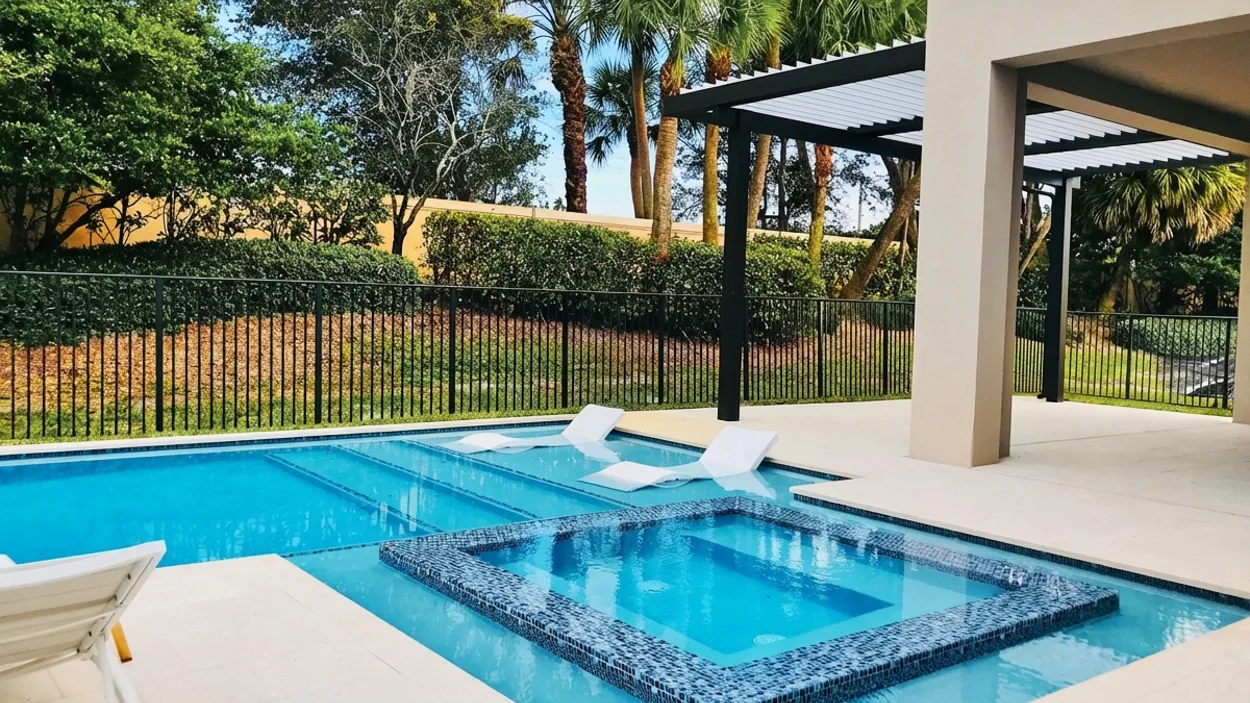
Pool lights are run before the shell is finished. The number is a decision, not a detail: too few leaves dark water at the ends, and the usual mistake is one light in a pool long enough to need three.
Think about the deck and the yard at the same time — the pool is rarely the only thing you want lit after dark.
An outdoor kitchen, a pergola or a deck extension are all cheaper built while the crews, the access and the slab work are already on site.
You do not have to build them now. You do want to know where they go, so the pool and the deck leave room and the sleeves and conduit go in while the ground is open.
Work backwards. A Florida pool project runs through permitting, excavation, steel, plumbing, shell, tile and deck, finish and startup — with inspections between stages that have to pass before the next begins.
That sequence, and what tends to move it, is covered in the pool construction timeline. The planning point is simply that a target date set without it is a wish.
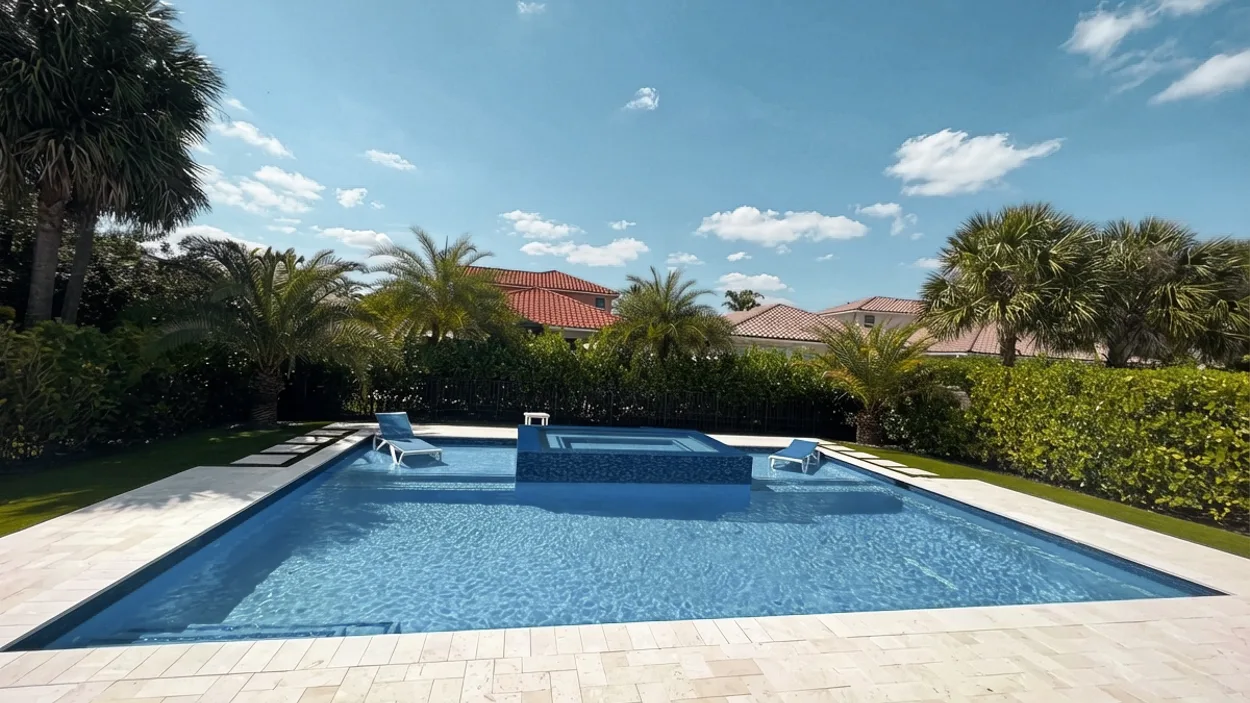
Before anything is dug, you should be able to answer:
If any of those is still "we will figure it out", figure it out now. Every one of them is cheap today and expensive once the ground is open.
When you have answers, a site visit is what turns them into a plan — see custom pool and spa construction.
Before the survey goes to the county. Placement drives the setbacks, the equipment run, the drainage plan and the screen enclosure footprint, so moving it after submission usually means resubmitting rather than adjusting.
Yes, but the deck has to have been poured to carry it. An enclosure is anchored into the deck, and a deck that was not designed for those loads either limits what can be built or needs cutting and reworking. Deciding early costs nothing; deciding late costs deck.
Inspections and weather far more often than construction itself. The build is a sequence of stages separated by inspections, and each one has to pass before the next begins, so a single failed inspection moves everything behind it.
Yes, because heating changes the plumbing and the electrical service, not just the equipment pad. Adding it later means opening up runs that are already buried.