Florida Pool Barrier Requirements: What a New Pool Needs to Pass Final Inspection
Florida law gives a new residential pool five ways to pass final inspection, and the building code turns the barrier option into a set of measurements. Most failed finals come from a short list: the gate, the doors in the house wall, and gaps nobody measured.
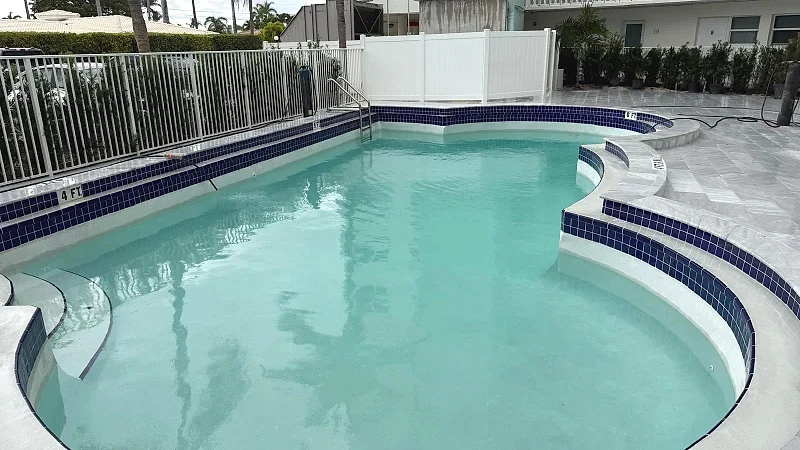
A new residential pool in Florida passes final inspection only if it has at least one of five safety features listed in section 515.27 of the Florida Statutes:
- a barrier that meets section 515.29;
- an approved safety pool cover;
- exit alarms on the doors and windows that open to the pool;
- self-closing, self-latching devices on those doors;
- a pool alarm certified to ASTM F2208.
Most homeowners meet it with a fence, a screen enclosure, or both. The barrier has to be at least 4 feet high on the outside, and its gates have to open outward and close and latch by themselves.
That is the law in one paragraph. The Florida Building Code turns it into measurements, and the measurements are where final inspections fail.
The facts that decide most inspections
| Rule | Where it comes from |
|---|---|
| Any pool, hot tub or nonportable spa holding water **more than 24 inches deep** is covered | F.S. 515.25(11) |
| At least **one of five** safety features is required to pass final inspection | F.S. 515.27(1) |
| Barrier at least **48 inches** high, measured on the side away from the pool | F.S. 515.29(1)(a); FBC R4501.17.1.1 |
| Gap under the barrier no more than **2 inches** above grade | FBC R4501.17.1.1 |
| No opening that passes a **4-inch sphere** | FBC R4501.17.1.2 |
| Gates open **outward**, self-closing, self-latching | F.S. 515.29(3); FBC R4501.17.1.8 |
| Barrier and final electrical inspected **before the pool is filled** | FBC R4501.19 |
Drowning is the leading cause of unintentional death for Florida children ages 1 to 4, and the Florida Department of Health says home swimming pools are where most children are likely to drown. That is why the inspector who signs off your final is not flexible about a latch.
The five ways to meet the law
Section 515.27 requires at least one of these. Many homes end up with two, because the house wall is part of the barrier.
| Option | What the statute requires |
|---|---|
| 1. A barrier | An enclosure that isolates the pool from the home and meets section 515.29 |
| 2. A safety pool cover | A manual or powered cover that meets ASTM F1346-91 |
| 3. Exit alarms | On every door and window that gives access from the house to the pool, with a minimum sound pressure of 85 dB A at 10 feet |
| 4. Self-closing doors | Self-closing, self-latching devices on those doors, with the release no lower than 54 inches above the floor |
| 5. A pool alarm | Independently certified to ASTM F2208. Alarms worn by the child do not count |
Which one is right is a design decision, not a code question. A fence is visible and simple, but it changes how the yard is used. A screen enclosure does double duty in Florida. A safety cover depends on someone closing it every time. Alarms and door hardware depend on the house layout.
What a barrier has to measure up to
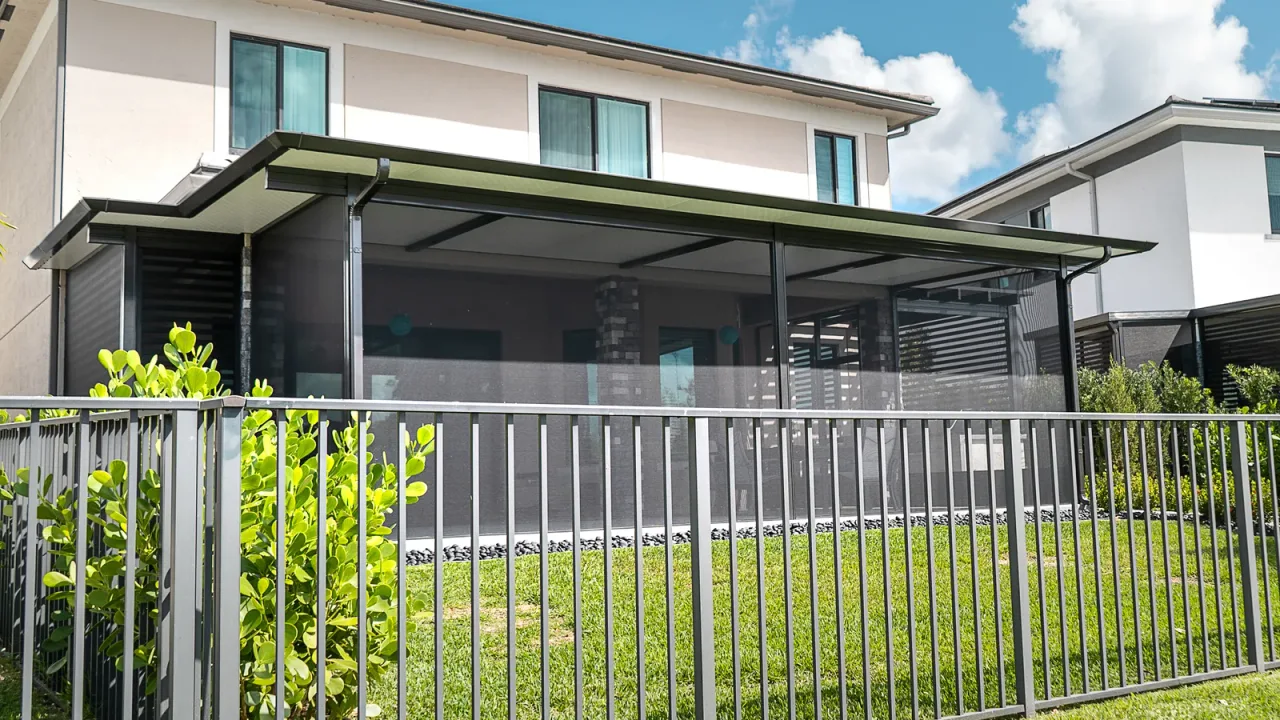
Chapter 515 sets the principle: at least 4 feet high on the outside, around the whole pool, with nothing a young child could crawl under, squeeze through or climb over. The Florida Building Code, Residential, section R4501.17 sets the numbers the inspector actually checks. These come from the 8th Edition (2023).
Height and gaps:
- At least 48 inches above grade, measured on the side facing away from the pool.
- No more than 2 inches between the bottom of the barrier and the ground.
- On an above-ground pool, where the barrier sits on top of the pool structure, no more than 4 inches between the pool and the barrier.
Openings:
- Nothing that lets a 4-inch sphere pass through.
- Solid barriers cannot have indentations or protrusions a child could use as a step.
Horizontal members, vertical spacing (the detail that catches decorative fences):
| Fence design | Maximum spacing between verticals |
|---|---|
| Horizontal rails **less than 45 inches** apart | **1¾ inches**, and the rails go on the pool side |
| Horizontal rails **45 inches or more** apart | **4 inches** |
| Chain link | Mesh no larger than **2¼ inches** square, or 1¾ inches with slats |
| Diagonal members or lattice | Openings no larger than **1¾ inches** |
What the barrier cannot be next to. Section 515.29(5) says the barrier cannot sit where a permanent structure, equipment or similar object lets a child climb over it. An equipment pad, a raised planter or an outdoor kitchen built against the fence can turn a compliant fence into a failed final.
Gates: where most failed finals start
A pool gate has four requirements, and all four are checked:
- It opens outward, away from the pool.
- It is self-closing: it shuts by itself from any open position.
- It is self-latching: it latches when it closes, without anyone touching it.
- The latch is on the pool side of the gate. Under the building code, a latch at 54 inches or more above the bottom of the gate can be on either side. Within 18 inches of the latch, the gate and barrier cannot have any opening larger than ½ inch, so a child cannot reach through to the release.
In practice, the problems we see are mundane:
- a gate that closes but does not latch from halfway open;
- a hinge that sagged after the deck was poured;
- a latch mounted at a convenient height instead of a compliant one.
Every one of them is cheap to fix before the inspector arrives and expensive in calendar days after.
When the house wall is part of the barrier
Most backyard barriers use the back of the house as one side. Section 515.29(4) allows that only if the wall has no door or window that opens to give access to the pool. Almost every Florida house has a sliding door onto the patio, so the code gives other ways to protect those openings (R4501.17.1.9). One of these is required:
- Exit alarms listed to UL 2017, with a minimum of 85 dBA at 10 feet. The switch that pauses the alarm has to be at least 54 inches above the threshold.
- Self-closing, self-latching devices on the doors, with the release at least 54 inches above the threshold.
- A pool alarm certified to ASTM F2208.
There are exceptions for windows: a sill 48 inches or higher above the floor, windows on upper floors, and kitchen pass-through windows at least 42 inches high with a counter below.
Pet doors deserve a sentence of their own. The federal CPSC guidelines say never to have a pet door that leads directly to a pool, because a child can use it too.
Screen enclosures as the barrier
In Florida the screen enclosure is often the barrier. The building code allows a standard screen enclosure that meets R4501.17 to serve as part or all of it. Two things to know:
- The enclosure doors are pool gates. They follow the same rules: outward swing, self-closing, self-latching, latch height.
- The house still counts. A screen enclosure attached to the house protects the pool from the yard, not from the house. The doors from the house into the enclosure still need one of the protections in the section above.
If you are pricing one, our guide to what a pool screen enclosure costs in Florida covers the decisions that move the number.
Removable mesh fences and the clear zone
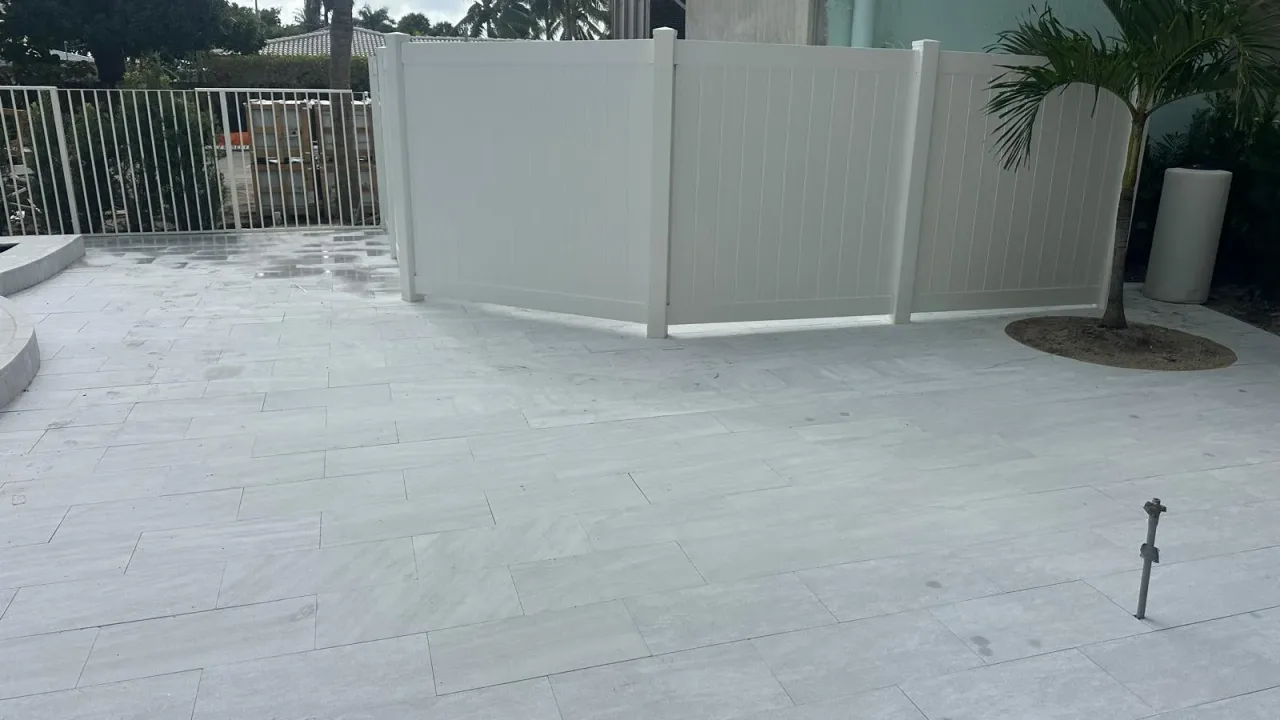
A removable child-safety mesh fence is allowed if it meets ASTM F2286, and its gate follows the same gate rules. It must sit at least 20 inches from the water's edge, the only barrier type with a fixed clear zone in the code. Mesh fences cannot be installed on top of above-ground pools.
For every other barrier, Chapter 515 only says it must be far enough from the water that a young child or a frail older adult who gets past it does not fall straight in.
How this is inspected
The barrier is part of the pool permit, not a separate permit. The building code requires the final electrical and barrier inspections to be completed before the pool is filled, except for vinyl-liner and fiberglass pools. Section 515.27 ties the certificate of completion to passing one of the five options.
That order matters for your schedule. A pool that is otherwise finished cannot be filled, started up or used until the barrier passes. A gate, an alarm or a latch left to the last week is the most common reason a finished pool sits empty. The full sequence of inspections is in our guide to the permits a Florida pool needs.
In Gainesville and Ocala
The state rules apply everywhere in Florida, and section 515.37 lets a city or county adopt a pool safety ordinance that is equal to or stricter than the statute. Before a barrier is designed, the permit office for the property has to be confirmed: inside Gainesville or Ocala city limits it is the city, and outside it the county. Our guides to pool permits in Gainesville and Alachua County and pool permits in Ocala and Marion County explain how to tell which office is yours and what each one asks for.
On the larger lots common outside both cities, the barrier is often a fence around the pool area rather than around the whole property. Section 515.29 requires the pool barrier to be separate from the yard fence unless the yard fence sits on the pool's perimeter and meets the same rules. On a lot that backs onto a lake or a canal, the code lets the local authority accept a natural barrier only if it approves it; plan for a fence until it does.
We design the barrier with the pool, so the gate swing, the door hardware and the equipment pad are drawn before the permit is submitted. Our pool builders in Gainesville and pool builders in Ocala pages explain how that fits into a full project. Our custom pool construction page covers the whole region.
A checklist for the week before final
- Barrier at least 48 inches high everywhere, measured from the outside.
- No gap over 2 inches at the bottom, including where the grade dips.
- Nothing that passes a 4-inch sphere, including corners and where the fence meets the house.
- Every gate opens outward, closes by itself from any position, and latches by itself.
- Latches on the pool side, or at 54 inches or higher.
- Nothing climbable against the outside of the barrier: equipment, planters, furniture, a grill island.
- Every door and opening window in the house wall protected by an alarm, self-closing hardware or a certified pool alarm.
- Screen enclosure doors treated as gates.
- No pet door leading to the pool.
A note on the code edition
The measurements above are from the 8th Edition (2023) of the Florida Building Code. The Florida Building Commission has set December 31, 2026 as the effective date of the 9th Edition. Permits are reviewed under the edition in effect when they are submitted, and we will update this guide if the barrier section changes.
Design the barrier with the pool
If your project needs an answer for your specific lot, the fastest route is a design-build evaluation: we look at the house wall, the doors, the yard and the permit office, and design the barrier into the pool from the start.
Common questions
What are the pool fence requirements in Florida?
Under Chapter 515 of the Florida Statutes, a pool barrier must be at least 4 feet high on the outside, completely surround the pool, have no gaps or footholds a young child could use, and have gates that open outward and are self-closing and self-latching. The Florida Building Code adds the measurements an inspector checks, such as a maximum 2-inch gap at the bottom and openings that will not pass a 4-inch sphere.
Does a new pool in Florida need a fence?
Not necessarily a fence. Section 515.27 requires at least one of five safety features: a barrier that meets section 515.29, an approved safety pool cover, exit alarms on doors and windows with direct access to the pool, self-closing and self-latching devices on those doors, or a pool alarm certified to ASTM F2208. A fence or a screen enclosure is the most common way to meet it.
Can a screen enclosure count as a pool barrier in Florida?
Yes. The Florida Building Code allows a standard screen enclosure that meets the barrier requirements to serve as part or all of the barrier. Its doors have to meet the same gate rules as any other barrier, and any door from the house into the enclosure still needs one of the protections the code lists for a dwelling wall.
When is the pool barrier inspected?
At the final inspection. The Florida Building Code requires the final electrical and barrier inspections to be completed before the pool is filled with water, with exceptions for vinyl-liner and fiberglass pools. A pool cannot receive its certificate of completion until the barrier or another 515.27 option passes.
What happens if a pool does not meet the barrier law?
Under section 515.27, an owner who fails to equip a new residential pool with a required safety feature commits a second-degree misdemeanor. No penalty applies if, within 45 days of arrest or summons, the owner installs a required feature and attends the drowning-prevention program described in section 515.31.
Sources
- Florida Statutes 515.25 — Definitions (Residential Swimming Pool Safety Act)
- Florida Statutes 515.27 — Residential swimming pool safety feature options; penalties
- Florida Statutes 515.29 — Residential swimming pool barrier requirements
- Florida Statutes 515.37 — Exemptions
- Florida Building Code, Residential, 8th Edition (2023) — Chapter 45, Private Swimming Pools (R4501.17, R4501.19)
- Florida Building Commission — 2026 FBC (9th Edition) workplan, effective date
- U.S. CPSC — Safety Barrier Guidelines for Residential Pools (Publication 362)
- Florida Department of Health — Drowning Prevention
About the author
Robert Wesley Brannen is the co-founder of Mr. & Mrs. Outdoor Living and a Florida-certified pool and spa contractor. Having started in his family's aluminum business at age 13 and previously led Happy House Outdoor Living, Robert brings extensive experience in custom pool construction, outdoor structures, and design-build project management.
Florida Licenses: CPC1460562 · CPC1461119 · SCC131153553.
Most Read Articles
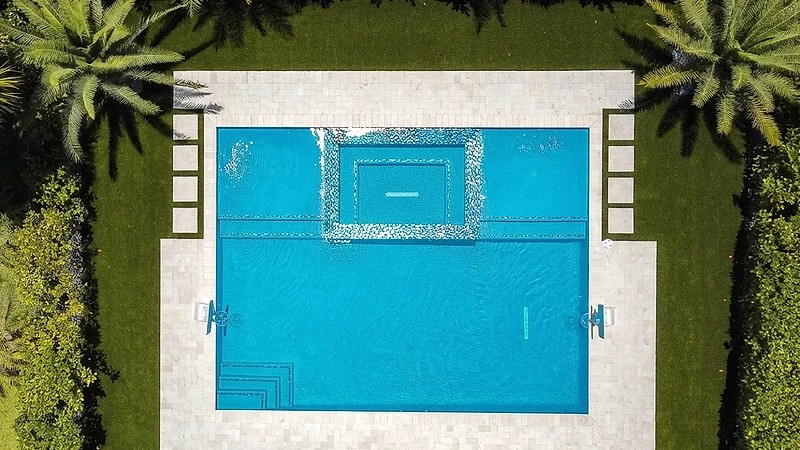
What Permits Are Required for Pool Construction in Florida?
A new inground pool in Florida needs a building permit from your city or county, with electrical and plumbing work covered under it, a set sequence of inspections, and a safety barrier that passes before the final. Here is what each piece is, who issues it and what slows it down.Read More: What Permits Are Required for Pool Construction in Florida?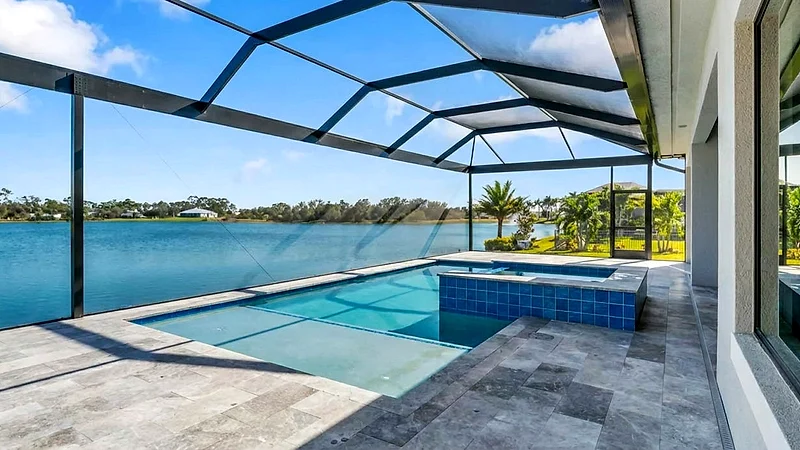
How Much Does a New Pool Screen Enclosure Cost in Florida? What Changes the Scope
A pool cage is not priced by the size of your deck. Here is the number our estimator uses, the three things that actually move it, and the one that stops being cheap the day the concrete sets.Read More: How Much Does a New Pool Screen Enclosure Cost in Florida? What Changes the Scope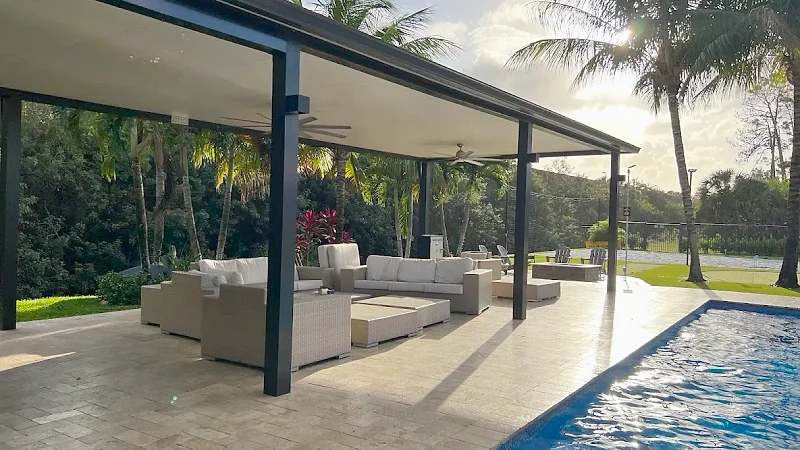
Building a Pool in North Florida? What Gainesville & Ocala Homeowners Should Plan For
Four things make a North Central Florida pool different from a South Florida one: the rock, the well, the swim season and which office reviews the permit. All four are cheaper to settle before the contract than during the dig.Read More: Building a Pool in North Florida? What Gainesville & Ocala Homeowners Should Plan For
Request a Design-Build Project Evaluation
Share your property details, project scope, and investment range. Our licensed design-build pool builders will review your request and confirm alignment before next steps.
Get a Free Estimate